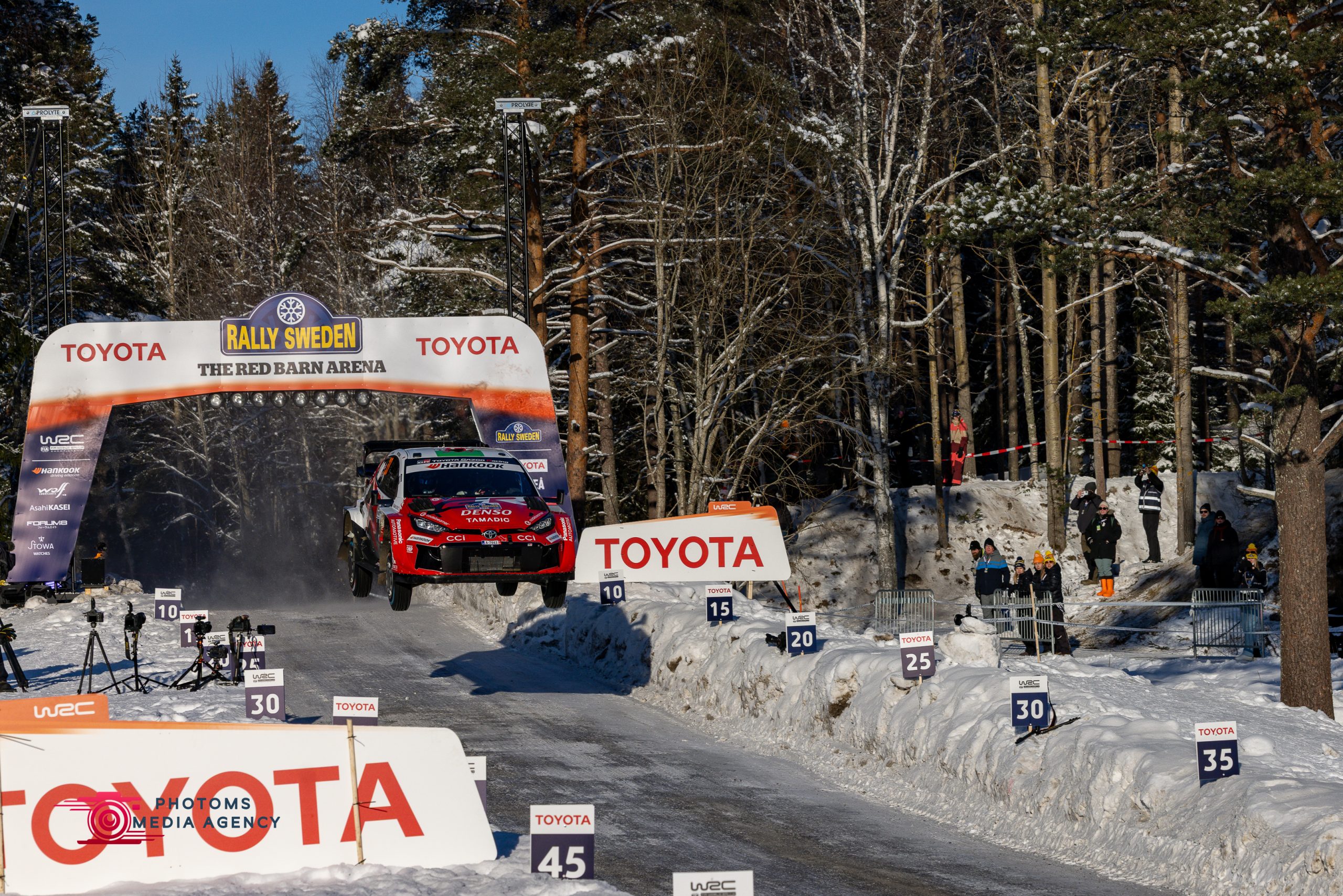
The final day of Rally Sweden 2026 delivered exactly what the rally had been trending towards since Saturday evening: control, consolidation, and very limited room for change at the front.
With only a handful of snow-covered stages remaining around Umeå, the Sunday loop was less about rebuilding positions and more about protecting what had already been established. The margins at the top meant that every kilometre carried the weight of preservation rather than attack.
Elfyn Evans / Scott Martin began the final day with a 13.3-second lead, and the opening stage immediately set the tone for the rest of the morning.
Rather than opening the gap through aggressive driving, Evans focused on maintaining rhythm in conditions that were still heavily defined by the polished snow line and rapidly evolving grip levels. The priority was clear: no unnecessary risks.
Behind him, the key reference point of the day was not an external challenger, but Takamoto Katsuta. The gap between the two Toyotas remained the central thread of the rally’s final chapter, even as both crews worked within the same performance envelope.
Sami Pajari, running third, remained firmly in touch with the leading rhythm of the event, ensuring Toyota’s internal order stayed intact heading into the final stages.
As the final stages approached, the nature of the battle at the front became increasingly defined by restraint. The snow surface, already heavily cut up from earlier passes, offered diminishing returns for outright risk-taking.
Evans did not need to extend the lead significantly; instead, he focused on avoiding any moment that could swing momentum back towards Katsuta. That approach proved sufficient to maintain his advantage across the morning loop.
At this stage, the rally had effectively shifted into a managed phase, with time gains and losses measured in small increments rather than decisive swings.
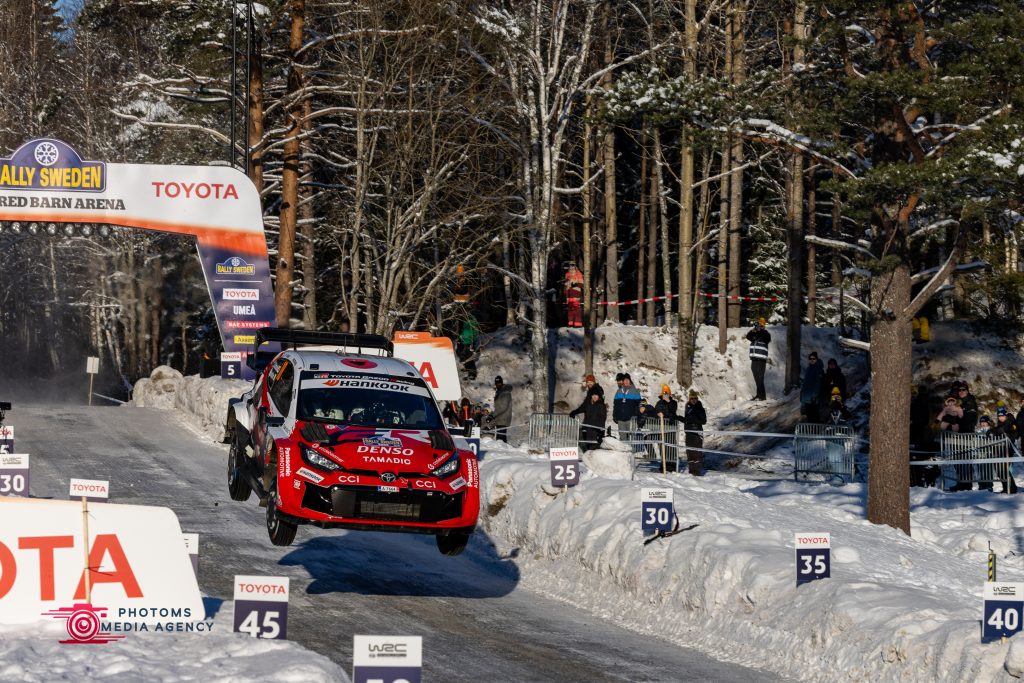
Over the closing kilometres, Evans maintained composure across the final sequence of stages, keeping the Toyota GR Yaris Rally1 consistently on line and avoiding any situations that could compromise the lead.
Katsuta remained the closest reference throughout the day but was unable to create enough separation on stage times to meaningfully threaten the gap. Pajari followed in a similarly stable rhythm, completing Toyota’s presence at the front.
By the time the final stage was completed, the overall structure of the classification remained unchanged at the top, confirming Evans’ victory.
The final classification underlined the scale of Toyota’s control across the event:
Elfyn Evans took victory ahead of Takamoto Katsuta, with Sami Pajari completing a Toyota 1-2-3. Oliver Solberg followed in fourth, while Hyundai’s Adrien Fourmaux and Esapekka Lappi completed the top six.
Behind them, Thierry Neuville finished seventh after losing ground earlier in the rally, while the M-Sport Ford crews occupied the lower positions in Rally1, focused primarily on bringing cars to the finish in demanding conditions.
What defined the final day was not a dramatic reversal or late surge, but the absence of any real opening for change. Once Toyota established its structure on Saturday, Sunday became a controlled execution of that advantage.
Evans’ victory was therefore not sealed in a single moment, but confirmed through a sequence of stages where nothing was allowed to destabilise the order already in place.
The WRC2 category closed its Rally Sweden campaign with another tightly fought final day on the snow. Consistent conditions around Umeå continued to reward clean, committed driving, with Rally2 crews pushing hard across the Sunday stages while managing the increasingly polished surface. The fight at the front remained close until the final kilometres, reflecting how small margins defined the entire weekend in the support category.
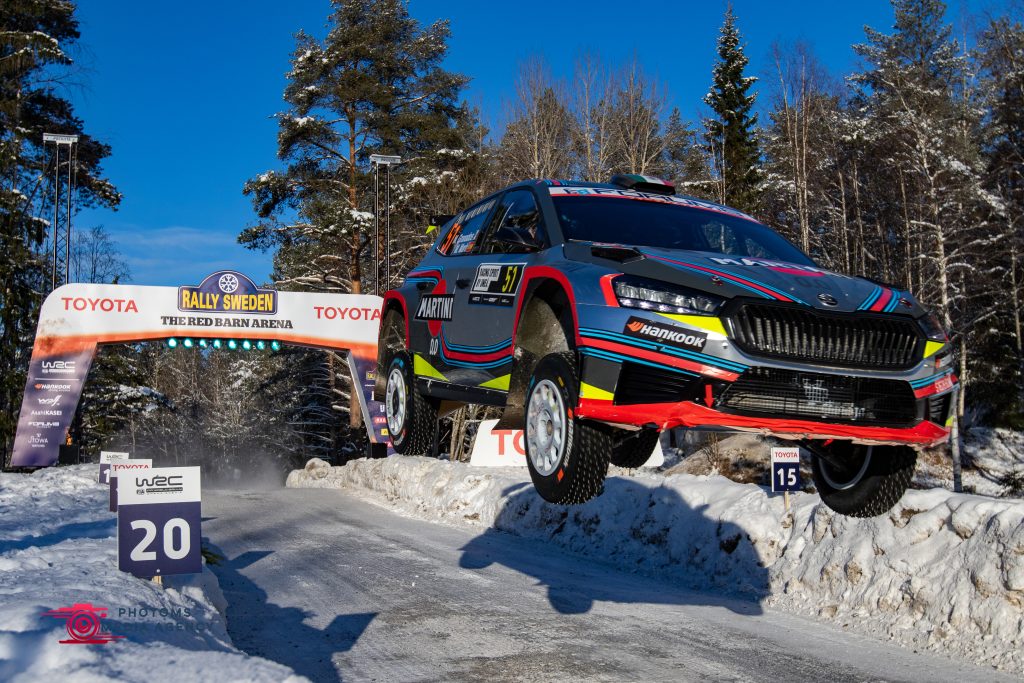
Korhonen’s weekend was built on steady execution across all three days, maintaining a strong rhythm on the fast Swedish snow stages and avoiding the kind of costly mistakes that often reshuffle the Rally2 order. His pace inside the top overall positions throughout the rally reflected both confidence and control in demanding conditions.
Johansson secured victory on home soil after a composed and controlled performance across the full rally. With the focus firmly on precision in the final stages, he managed to protect his advantage and bring the car home to seal the Junior WRC win in Sweden