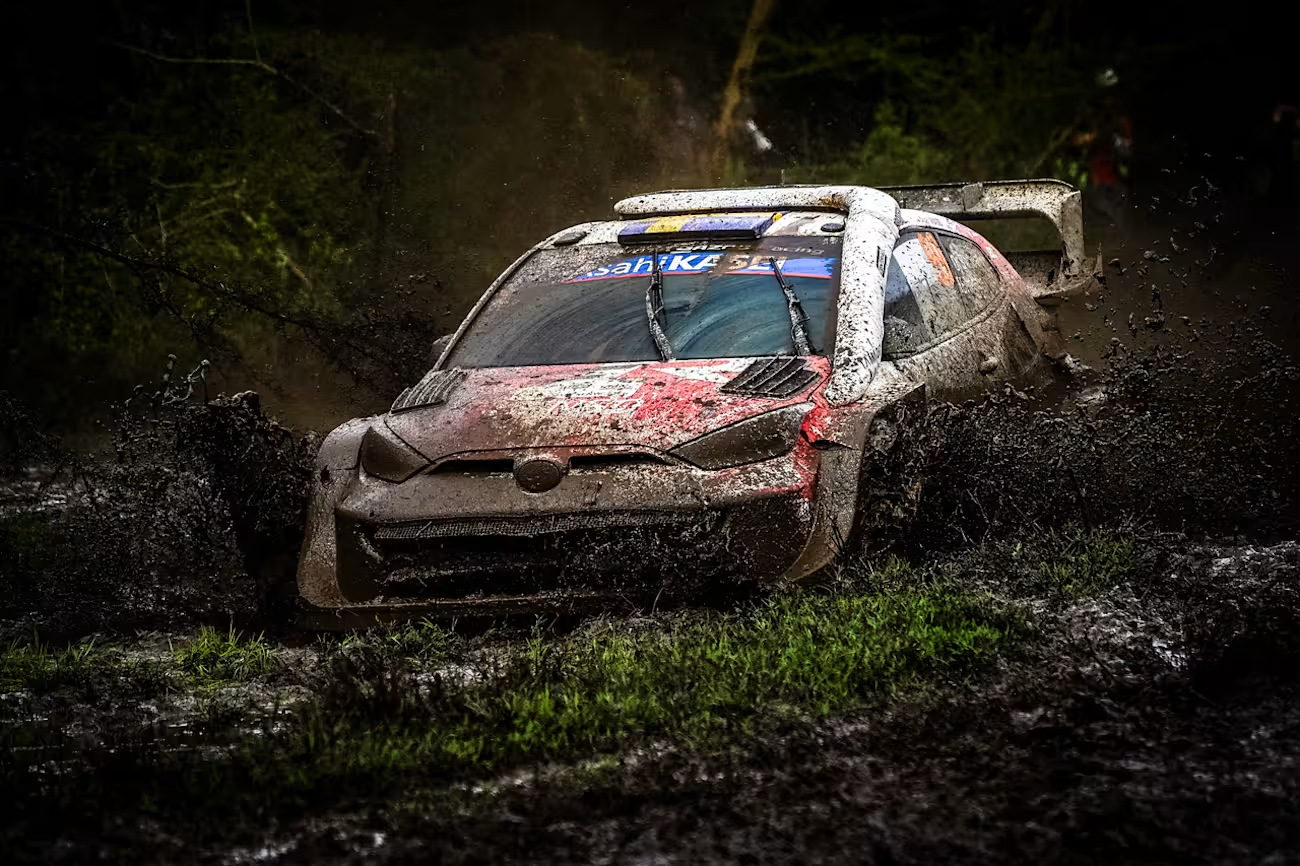
The second day of Rally Safari Kenya 2026 further reinforced the unique nature of this round of the WRC. If Friday was about initial positioning and reading the conditions, Saturday became a day of clear selection. The stages around Naivasha grew even more demanding, with deeper ruts, more broken lines and increasingly inconsistent grip across the route.
In this environment, the rally stopped being purely about outright speed and started to become a test of endurance, consistency and survival through an entire loop of punishing stages.
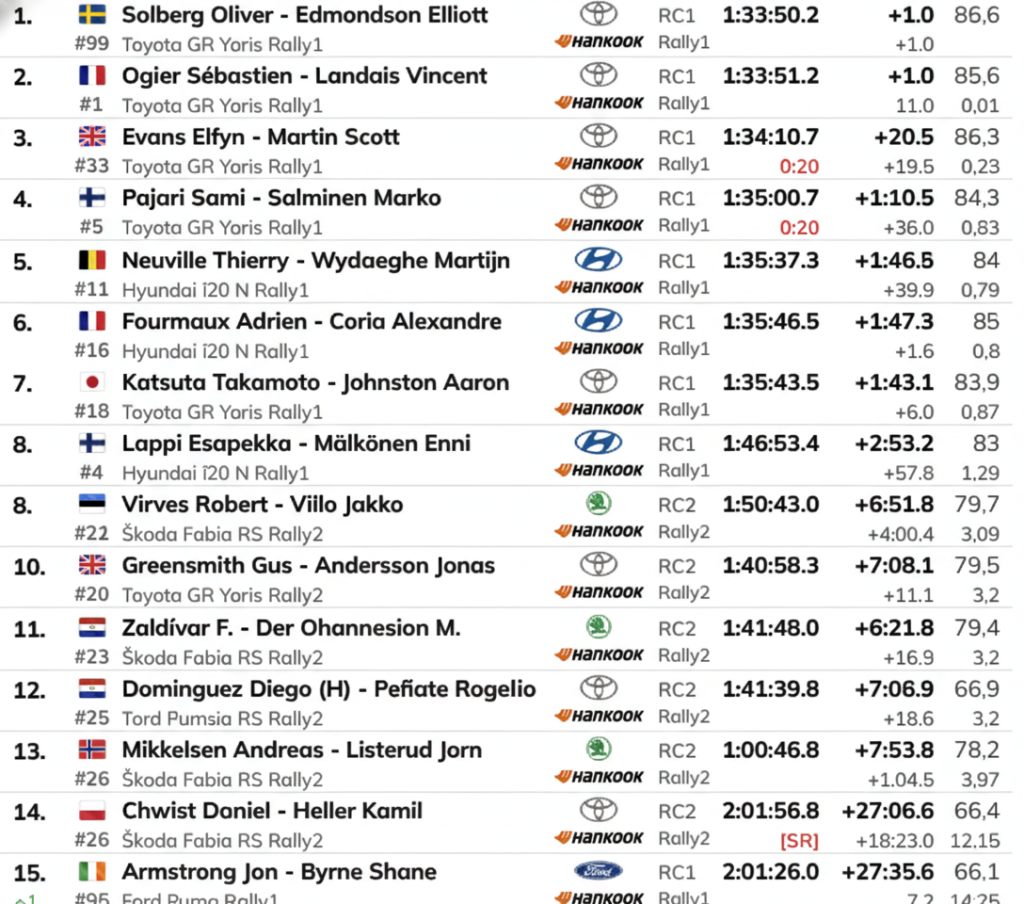
The leading group remained heavily shaped by Toyota, with Elfyn Evans and Takamoto Katsuta continuing to run in close proximity at the front of the rally. However, compared to the opening day, the gaps between them began to evolve more noticeably as the stages accumulated. Each pass through the rough sections cost more time, particularly in the deepest ruts where precision mattered as much as pace.
Sami Pajari continued in third position, but his gap to the leading duo gradually increased over the course of the day. Unlike Friday, where the field was still relatively compact, Saturday began to establish clearer separation between the top three and the rest of the Rally1 field.
As the midday loop developed, Safari conditions once again played a decisive role. Rain in parts of the region softened the surface further, while repeated passes turned already difficult sections into heavily cut and uneven tracks. Time losses were no longer defined by single mistakes alone, but by the accumulation of small moments: slightly delayed braking in ruts, cautious corner exits, and brief losses of rhythm across broken terrain.
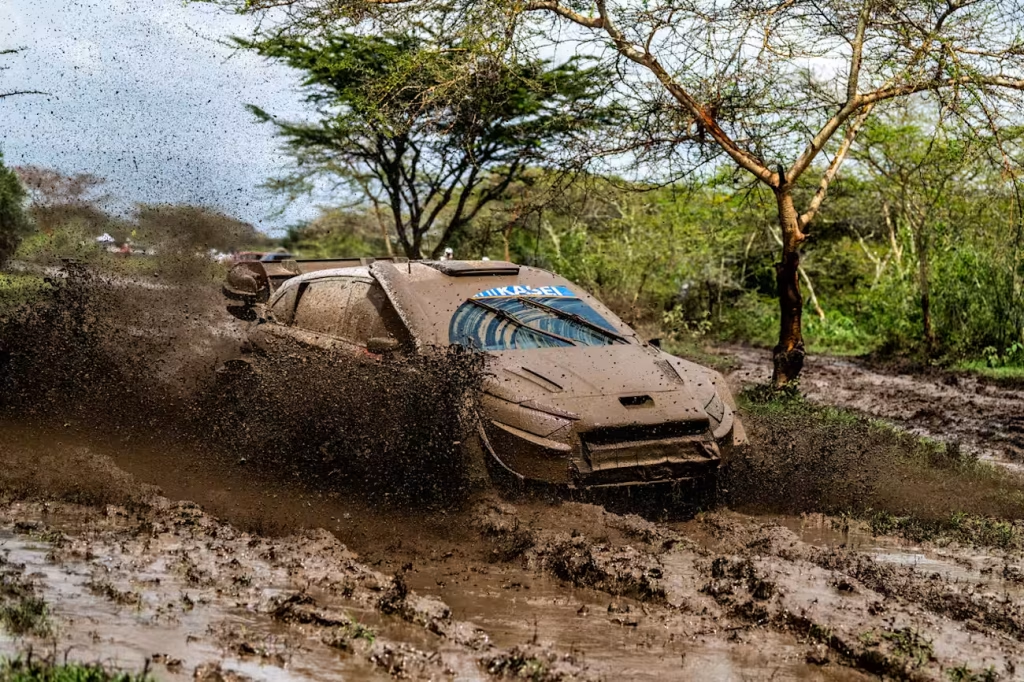
Toyota’s control at the front remained intact, but the internal gaps within the team became more defined. Evans gradually edged into a more secure lead position, while Katsuta stayed within range but without a clear opportunity to reverse the situation on pace alone. Pajari’s deficit continued to grow in a steady, controlled manner, placing him in a more isolated third place.
Behind the Toyota trio, Oliver Solberg remained fourth, increasingly separated from both the leaders and the chasing pack. His position became more about managing the gap than actively engaging in battles ahead or behind, as the rally’s structure began to settle around distinct performance groups.
Hyundai’s presence remained consistent within the chasing group, with Esapekka Lappi and Adrien Fourmaux running in similar pace windows. However, no stage on Saturday provided a breakthrough moment that would allow them to close the gap to Toyota in any meaningful way. The differences between the manufacturers gradually solidified rather than fluctuated.
Further back, Thierry Neuville remained outside the main podium fight after earlier time loss, while M-Sport Ford crews continued in a more controlled rhythm, prioritising completion over position gains in the increasingly demanding conditions.
In WRC2, Saturday brought a clearer separation between crews as the combination of deep ruts and variable grip punished even small mistakes. The front-running Rally2 crews remained close in overall terms, but the day clearly showed that consistency and clean execution were becoming the decisive factors, with time gaps opening more naturally as the stages wore on.
In Junior WRC, the second day increased the pressure further as the stages became more broken and physically demanding. Young drivers focused heavily on maintaining control and avoiding costly errors, with the classification gradually spreading out as small time losses accumulated across the loop. By the end of the day, it was clear that the rally was rewarding consistency far more than isolated fast stage times.